12 Easy Ways to Cut Down on Fashion Waste Every Day (That Actually Work)
The average American throws away about 81.5 pounds of clothing per year [1], and most of it ends up in landfills. Fast fashion has made it cheaper than ever to buy more and think less, but the pile-up is real, and it's getting harder to ignore.
Cutting fashion waste doesn't mean overhauling your entire lifestyle. A few consistent habits, made one at a time, add up faster than most people expect.
1. Buy Less, But Buy Smarter
The most effective way to reduce fashion waste is also the least glamorous one: just buy less. Not in a restrictive, joyless way, more like pausing before checkout and asking whether you'll actually wear it.
A helpful rule that's gained traction among sustainable fashion communities is the cost-per-wear calculation. If a $120 linen blazer gets worn 60 times, that's $2 per wear. A $30 going-out top worn twice? $15 per wear, and likely destined for the donation pile within months.
Quality over quantity isn't just a cliché. Brands like Everlane and Quince publish their pricing breakdowns and material sourcing openly, which makes it easier to spot pieces built to last versus pieces built to sell fast.
2. Actually Wear What You Already Own
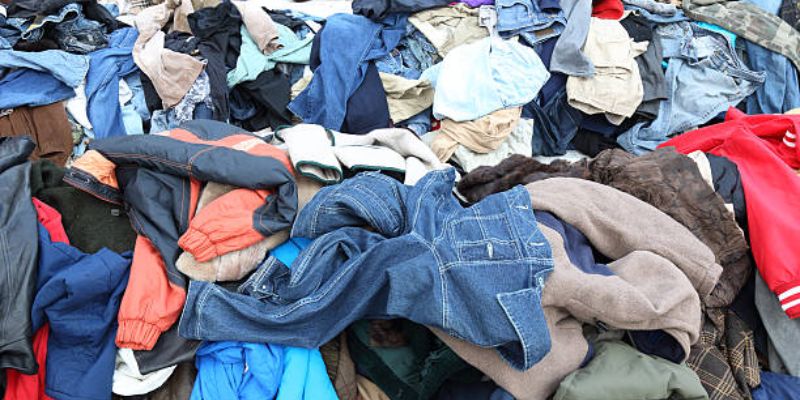
Most people wear roughly 20% of their wardrobe 80% of the time. The rest sits, gets forgotten, and eventually gets tossed. Before buying anything new, a wardrobe audit, even a rough one, usually surfaces pieces that have been invisible for months.
Styling apps like Whering (popular in the UK and growing in the US) let you photograph your clothes and build outfits digitally. It sounds extra, but users consistently report buying less impulsively after seeing how much they already own laid out visually.
Rotating seasonal storage also helps. When winter coats come back out in October, they feel new again. That freshness reduces the itch to shop.
3. Repair Before You Replace
A broken zipper or a small tear sends thousands of garments to landfills every year when the fix takes less than ten minutes. Learning basic repairs, such as sewing on a button, patching a pocket lining, or re-hemming a pair of pants, is genuinely one of the highest-impact things a person can do to reduce clothing waste.
YouTube has made this surprisingly accessible. Channels like Evelyn Wood Sewing or Made to Sew walk through repairs clearly and without assuming prior experience. For bigger fixes, local tailors are often far more affordable than people assume, typically $10 to $25 for common repairs.
Some brands have started offering free repair programs. Patagonia's Worn Wear program and Nudie Jeans' repair shops are the most well-known, though the model is slowly spreading to other labels.
4. Shop Secondhand More Often
Thrift stores used to carry a stigma. That's largely gone now. Platforms like Depop, ThredUp, and Poshmark have made secondhand shopping mainstream, and for good reason, the prices are better and the environmental math is hard to argue with.
Buying one secondhand item instead of a new one saves an average of 5.7 pounds of CO2 [2], according to ThredUp's annual resale report. That's per item. Over a year of swapping even a handful of purchases to secondhand, the numbers stack up quickly.
The trick with thrifting is patience. Physical thrift stores reward regular visits. Online platforms reward saved searches and notifications. Neither delivers the instant gratification of fast fashion, but what they do deliver tends to be more interesting and more unique.
5. Wash Clothes Less (and Better)
Overwashing is one of the less obvious contributors to fashion waste. Frequent washing degrades fabric faster, which shortens a garment's life significantly. Most clothes, especially jeans, sweaters, and outerwear, don't need to be washed after every single wear.
Spot-cleaning and airing out clothes between wears extends their lifespan without sacrificing hygiene. For items that do go in the wash, cold water and a gentle cycle preserve color and structure far better than hot washes.
Mesh laundry bags are worth using for delicate fabrics. They reduce friction during the wash cycle, which directly reduces pilling and fiber breakdown. A $10 set of mesh bags can meaningfully extend the life of knitwear and anything with synthetic fibers.
6. Rent or Borrow for One-Time Occasions
Wedding guest outfits, holiday party dresses, and black-tie event looks are the biggest culprits for single-use fashion. Buying something new to wear once and never again is almost guaranteed fashion waste.
Rental services like Rent the Runway and HURR Collective (UK-based but expanding) offer designer and contemporary pieces for a fraction of the retail cost. Rent the Runway's membership tiers start around $94 per month for four items at a time, a workable option for people who attend events regularly.
Borrowing from friends is free and, honestly, more fun. A WhatsApp group or a standing arrangement with a similarly-sized friend is low-effort and surprisingly effective for filling wardrobe gaps before events.
7. Choose Natural or Recycled Fibers
Synthetic fibers like polyester and nylon shed microplastics with every wash. Those microplastics end up in waterways and, eventually, in the food chain. Choosing natural fibers like cotton, linen, wool, and Tencel where possible reduces this specific type of fashion waste.
Recycled materials are a reasonable middle ground when natural fibers aren't available or affordable. Brands like Girlfriend Collective and Patagonia use recycled plastic bottles and old fishing nets to produce activewear and outerwear. It's not a perfect solution, but it keeps existing plastic out of landfills.
Reading fabric labels is a habit worth building. Even a garment labeled "sustainable" can be 90% polyester. The label doesn't lie the way the marketing sometimes does.
8. Sell or Donate Thoughtfull
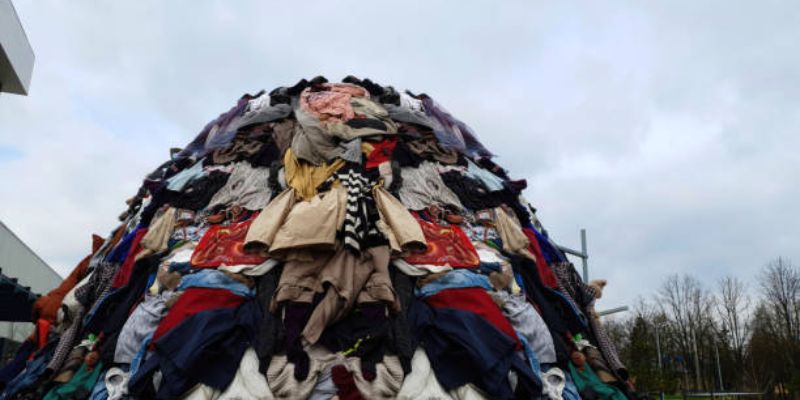
When clothes do leave your closet, how they leave matters. Dumping a trash bag at a donation bin feels virtuous, but charities are overwhelmed with low-quality and unwearable items, much of which still ends up in landfills or gets shipped overseas in bulk.
Donating wearable, clean items to local shelters, community clothing swaps, or Buy Nothing groups ensures the clothes actually get used. Selling sellable pieces on Poshmark, Vestiaire Collective, or eBay recovers some of the original cost and extends the garment's life.
For truly worn-out textiles, brands like H&M and The North Face run in-store recycling programs that accept damaged and unusable clothing and divert it from landfills, not perfect systems, but better than the bin.
9. Organize Clothing Swaps
Clothing swaps cost nothing and are genuinely enjoyable. The format is simple: gather a group, bring clothes you no longer wear, leave with things you actually want. No money changes hands, and everyone goes home with a refreshed wardrobe.
Community swaps happen regularly through Facebook groups, Meetup, and local sustainability organizations [3]. Hosting a small one at home with friends is low-effort — just set a loose rule about condition (clean, wearable items only) and let people browse freely.
For workplaces or larger communities, quarterly swaps can replace a meaningful chunk of new purchases over the course of a year. It's one of those habits that seems casual but quietly reduces a lot of waste.
10. Be Deliberate About Trends
Trend cycles have accelerated dramatically in the past decade. Fast fashion brands now release new "microtrends" weekly, designed to feel urgent and expire quickly. Buying into every trend is both expensive and wasteful, and most trend pieces look obviously dated within 18 months.
Building a wardrobe around a personal style rather than chasing trends is the longer-term fix. That doesn't mean ignoring trends entirely, it means filtering them. If a trend works with what you already own, great. If it requires building an entirely new wardrobe context to work, it's probably not worth it.
The pieces people reach for most consistently tend to be the ones that reflect their actual taste, not whatever was everywhere last season.
11. Try a "One In, One Out" Rule
It sounds simple because it is. Every time something new comes into your wardrobe, one item leaves, whether donated, sold, or recycled. This keeps the volume of clothing you own from quietly creeping up over time, which is usually how most people end up with more than they can realistically wear.
The discipline is in the one-to-one ratio, and after a few months of it, the habit starts to naturally slow down impulse purchases too, because mentally pairing a new buy with something you'd have to let go makes you more selective.
12. Learn to Love Capsule Dressing
A capsule wardrobe isn't about owning 30 items and calling it done. It's about building a core of versatile pieces that work together in multiple combinations, so you're not constantly filling gaps with new purchases.
The practical benefit is significant. When most of what you own pairs naturally with everything else, getting dressed is faster, you waste less on rarely-worn items, and the pressure to keep buying fades. Start with the basics you already reach for daily, a well-fitting pair of trousers, a few neutral tops, one or two layering pieces, and build outward from there rather than chasing a prescribed list from a blog.
Start Small and Build From There
Reducing fashion waste doesn't require a dramatic overhaul or a perfectly capsule wardrobe. Most people who make genuine progress start with one change, such as shopping secondhand more often or repairing instead of tossing, and build from there as the habits settle in.
The math is worth keeping in mind: the global fashion industry produces around 92 million tonnes of textile waste per year. Individual choices don't fix that at scale alone, but they do shift purchasing patterns, which is what companies actually respond to. What you buy, how long you keep it, and what you do with it when you're done all carry more weight than they might seem to.
Pick one habit from this list this week. Add another next month. That's a more realistic and durable approach than trying to change everything at once.
References
[1] United States Environmental Protection Agency – https://www.epa.gov
[2] ThredUp – https://www.thredup.com
[3] Meetup – https://www.meetup.com
Related Posts
Tired of Sweaty, Uncomfortable Undies? Try These 12 Organic Cotton Picks
Is Resale Fashion Better Than Fast Fashion? Full Comparison

The Benefits Of Sustainable Sportswear: Comfort, Performance, And Sustainability

Eco-Friendly Summer Dresses: The Best Linen, Cotton, And TENCEL Picks
Why Are Sustainable Handbags More Expensive? Here's What You're Paying For